 R K Cosmetic
 Expert Guidance in Manufacturing Soap, Shampoo & Detergents
Formulation, troubleshooting and production guidance by a retired Chemist and Assistant Director of the Tamil Nadu Khadi and Village Industries Board.

B.Sc. Chemistry
PG Diploma KVIC
M.A. Public Admin
Independent Practice

From Soap Chemist to Assistant Director
Mr. Rengasamy joined the Tamil Nadu Khadi and Village Industries Board as a Soap Chemist in 1989 and retired as Assistant Director in 2023. He now provides independent consultancy in soap, shampoo and detergent manufacturing - grounded in real industry experience, not theory.
Read the Full StoryCore Services
From your first formulation to scaling a production line - technical support at every stage, grounded in real industry practice.
Soap Formulation
Cold process, melt & pour and commercial-grade soap recipes tailored for natural, herbal and market-ready profiles.
See soap formulation services →Shampoo Development
Stable, effective hair care formulations using precise surfactant balance, botanical actives, and consistent viscosity control.
Explore shampoo development →Detergent & Cleaning
Cost-effective liquid and powder detergent formulations optimized for local water conditions and domestic markets.
Explore detergent consultancy →Production Troubleshooting
Resolve batch separation, inconsistent lathering, fading fragrance, or colour instability in existing production runs.
Fix production issues →Supply Chain Management
Material and machinery procurement and finished product supply.
Explore supply chain support →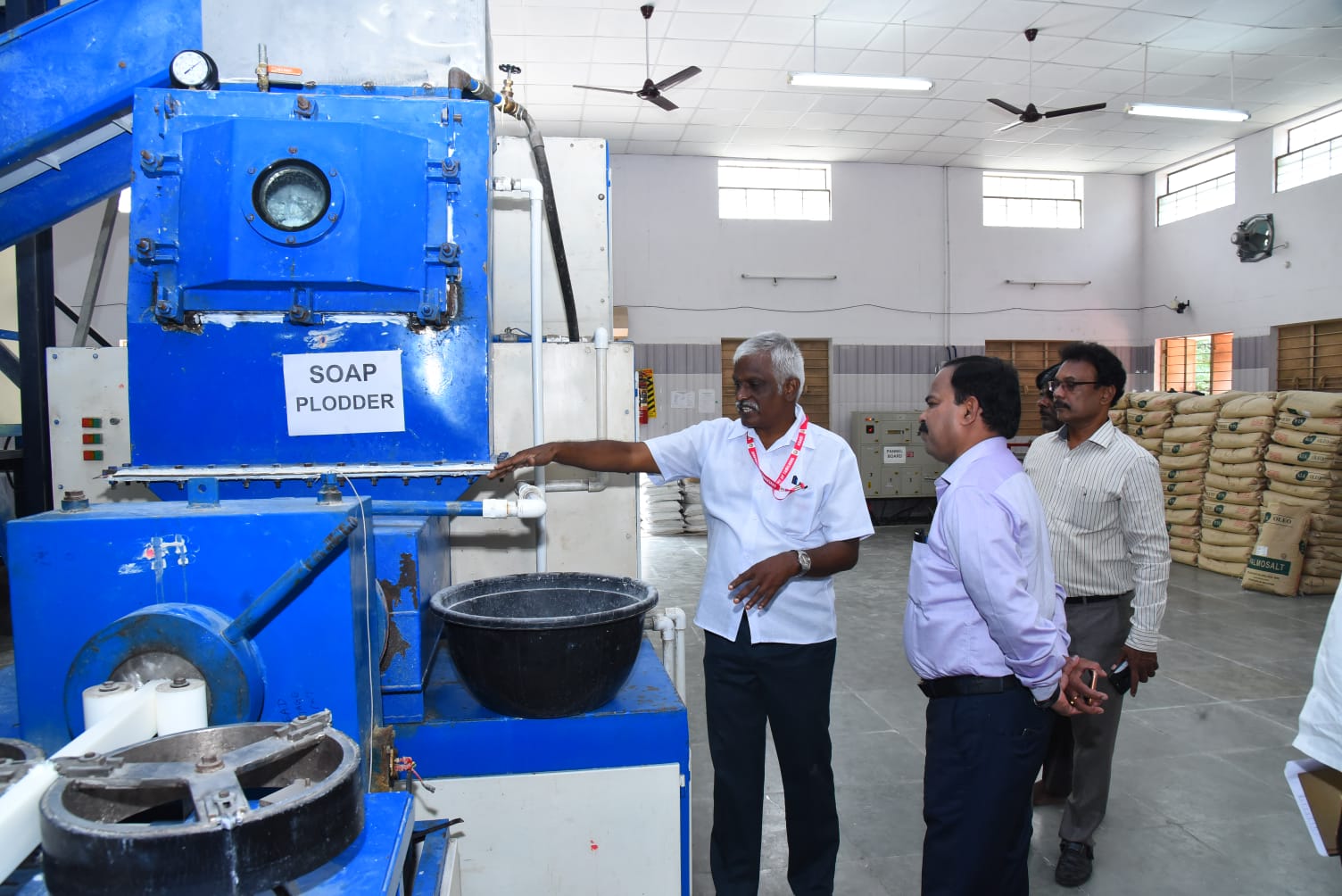
Built for Passionate Entrepreneurs
We bring practical, experience driven technical knowledge and apply it to real manufacturing challenges, helping you solve problems, explore new opportunities, and build better products.
Women's Self-Help Groups
Scalable, low-infrastructure manufacturing skills for organised local groups.
Aspiring Entrepreneurs
Direct path from concept to your first commercial-grade batch.
Small-Scale Manufacturers
External technical partner for batch consistency and process audits.
Large-scale companies
Independent, vendor-neutral formulation and reformulation input.
How It Works
A exclusive approach - whether you are starting fresh or fixing an existing production line.
Share Your Idea or Problem
Tell us what you want to manufacture, or describe the production issue you are facing.
Get Practical Guidance
Receive a specific plan, feasibility input, or troubleshooting support tailored to your manufacturing needs.
Start or Improve Production
Put the guidance into action with hands-on support through your first batches or process corrections.
Common Questions
Do I need a lab or factory to begin?
Not necessarily. Many entrepreneurs start with small-scale setups. We help you understand what equipment and space you actually need for your product type and production volume.
Can I get guidance online or does it have to be in person?
Both options are available. We provide online consultations, hybrid workshops and on-site visits depending on what your project requires.
Can you help with a failing batch?
Yes. Production troubleshooting is one of our core services. Whether it is batch separation, inconsistent lathering, colour drift or fragrance fading - we diagnose the root cause and correct the formulation.
Do you work with first-time entrepreneurs?
Absolutely. A large part of our work involves guiding first-time founders from concept to finished product - including formulation, raw material sourcing and equipment setup.
Do you support self-help groups and small-scale units?
Yes. We have extensive experience working with women's self-help groups, community enterprises and small-scale manufacturing units through structured training programmes.
How much does it cost to start a soap manufacturing unit?
It depends on scale, product type and whether you buy new or used equipment. A small home-based cold-process setup needs far less than a mechanised unit. We help you build a realistic budget for your specific plan rather than quoting a one-size figure.
What licence is needed for soap manufacturing in Tamil Nadu?
Requirements vary by product type and scale, but units commonly need GST registration, a local trade or factory licence, and any product-specific approvals. Rules are revised periodically, so confirm your exact obligations with the relevant department before starting.
How do I apply for a PMEGP loan for soap making?
PMEGP applications are submitted online through the official KVIC PMEGP portal and must be backed by a project report. Soap manufacturing is an eligible activity. A clear, well-documented project report is the single biggest factor in approval, and we help prepare one suited to your unit.
What machinery is needed for small-scale soap production?
At minimum you need a mixing vessel, a weighing scale, moulds, a cutter and curing racks for cold process. Mechanised units add a soap-making or mixing machine, plus stamping and packaging equipment. The right list depends on your method and target volume.
How do I troubleshoot soap batch separation?
Separation usually points to incorrect lye concentration, a temperature mismatch between oils and lye, or insufficient mixing before pouring. Review your measurements and process log to find which. Persistent separation needs a formulation review, which is one of our core services.
Can SHG groups start soap manufacturing?
Yes. Soap is one of the most practical first products for women's self-help groups because the skills transfer reliably across members and start-up scale can be kept small. Structured group training with a simple, repeatable formulation is the key to consistent output.
What is the difference between cold process and hot process soap?
Cold process relies on natural saponification and needs several weeks of curing. Hot process applies external heat to speed saponification, so bars are usable sooner but have a more rustic texture. Cold process gives smoother bars; hot process is faster to sell.
How long does it take to learn soap making professionally?
Basic competence in one method can come from a few days of focused hands-on training, but reliable, market-ready consistency takes practice across several batches. Our programmes combine practical sessions with follow-up support so the skills hold after training ends.
What raw materials are needed for basic soap manufacturing?
The core inputs are oils or fats such as coconut, palm or rice bran oil, an alkali (lye for bar soap), water, and optional additives like fragrance, colour and preservatives. Correct ratios and ingredient quality matter more than exotic ingredients.
Is BIS certification required for selling soap commercially in India?
It depends on the specific product and how it is marketed; some products and standards involve BIS and others do not. Rather than assume, verify your product's exact obligations with BIS and the relevant authorities before scaling sales.
What is the minimum investment for a small-scale detergent unit?
It varies widely depending on whether you make powder, liquid or cake detergent and on the level of automation. A basic manual liquid-detergent operation starts modestly, while powder and mechanised lines cost more. We help size the investment to your product and market.
How does shampoo formulation differ from soap formulation?
Soap is made by saponifying oils with an alkali. Shampoo is a surfactant solution in water that is not saponified, so formulation centres on selecting and balancing surfactants, adjusting pH to a mildly acidic range and thickening, rather than the lye chemistry used for soap.
What government schemes support soap or cosmetic manufacturing startups?
Programmes such as PMEGP (through KVIC and the Khadi Board) and various state initiatives can support small manufacturing units. Eligibility, subsidy and terms change over time, so confirm current details with your nearest KVIC or Khadi Board office before planning around any scheme.
Can soap manufacturing be done from home initially?
Many small producers begin at home with cold process on a modest scale, provided lye is handled safely and the workspace is clean and well ventilated. As volume and regulatory requirements grow, you typically move to a dedicated space.
What causes soap batches to fail quality testing?
Common causes include incorrect lye concentration, poor mixing, water quality issues, wrong curing time, and adding fragrance or additives at the wrong stage. Most failures trace back to measurement and process discipline rather than the recipe itself.
How does R K Cosmetic Expert's consultation process work?
We start by understanding your product goal, scale and current challenges, then advise on formulation, equipment, raw materials and process. Support can be a one-off troubleshooting session or end-to-end guidance from concept to production, delivered online or on-site.
Does R K Cosmetic Expert provide on-site training or only remote consultation?
Both. We offer on-site workshops, hybrid sessions that combine online theory with practical work, and fully remote consultations for troubleshooting, chosen to suit your location, group size and the nature of the problem.
What is the typical timeline from training to production-ready?
It varies with product complexity, your starting point and how much you practise between sessions. Simple products can reach consistent output relatively quickly, while complex formulations take longer. We set a realistic timeline for your specific project during planning.
Are there pollution control board requirements for soap manufacturing?
Depending on scale and process, manufacturing units may need clearances from the State Pollution Control Board, particularly around effluent and waste. Requirements differ for home-scale versus mechanised units, so confirm your category with the board before setting up.
What ongoing support is available after initial training?
Beyond initial training we provide follow-up troubleshooting, formulation adjustments as you scale, and guidance on raw material sourcing and quality consistency. The aim is that your unit keeps producing reliably, not just on day one.
Ready to Solve a Formulation Problem or Start Manufacturing?
Whether you're starting from scratch or fixing an existing formulation - get clear, actionable technical guidance from day one.
Get in Touch